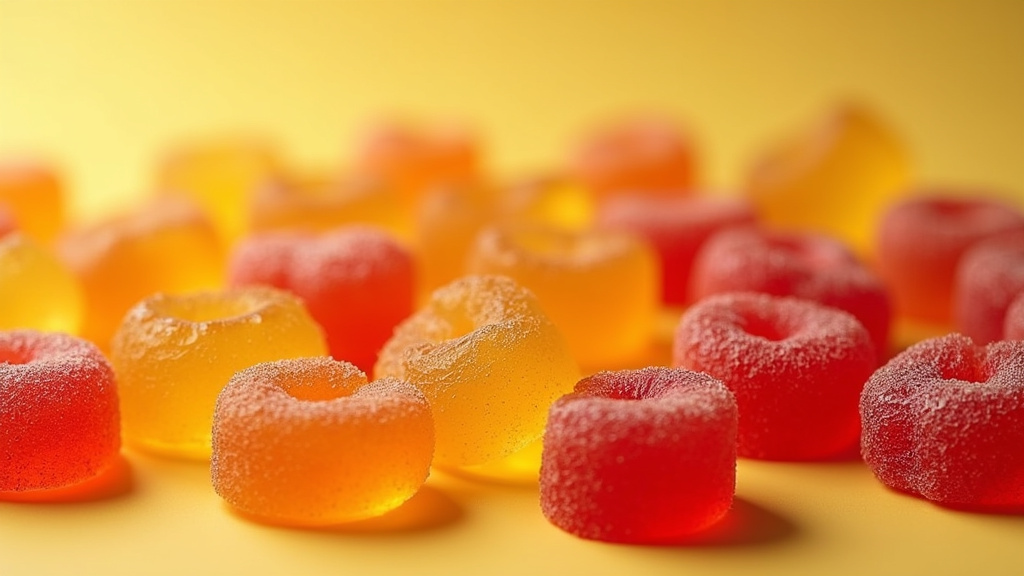
Key Takeaways
The edibles are a popular choice, with 65% of U.S. Adults saying they’ve tried them, according to a 2022 survey.
Dosage precision is important: A study in Cannabis and Cannabinoid Research found 30% of users struggle to accurately measure edible doses.
The legal field varies widely: As of 2023, 19 U.S. States and D.C. Allow recreational use, offering diverse regulations on edibles.
Edible effects can last 6-8 hours, significantly longer than smoked cannabis, potentially leading to unexpected experiences.
The rising popularity drives demand for innovative packaging solutions designed to prevent misuse, especially among minors.
Educational efforts are essential: 72% of cannabis users want more information on edible safety, according to a 2022 poll.
The market for the edibles is projected to reach $13.3 billion by 2026, highlighting its growing importance in the industry.
At a glanceThe edibles are food products infused with THC or CBD. They come in various forms, like cookies, chocolates, and gummies. Because they mimic familiar treats, edibles can be appealing but require caution. Their effects may be slower and stronger than other methods, lasting up to 8 hours. Always start with a low dose and wait patiently to assess your body’s response, as individual reactions can vary widely.
The edibles have become a popular consumption method, particularly among new users seeking alternative experiences to smoking. However, this trend poses significant challenges, as the edible form of cannabis presents unique risks, including inconsistent dosing and potential adverse effects. The absence of clear regulatory guidelines, as seen in the evolving field of cannabis laws, has led to a lack of standardized safety measures. This article examines into the complexities of the edibles, offering insights into their growing importance, the associated dangers, and the important need for consumer education and safety standards. We explore evidence-based solutions, drawing from expert sources like the National Institute on Drug Abuse and industry organizations, to ensure a safer cannabis edible market.
Cannabis Edibles in Bangor: Where to Start
Looking for cannabis edibles in Bangor, ME? Pho King Great Cannabis cannabis edibles serves the local area and can answer questions specific to Bangor.
- Understanding the Science Behind The edibles
- Production, Safety, and Quality Control in The edibles
- Effective Consumption, Dosage, and Legal Considerations for The edibles
Understanding the Science Behind Cannabis Edibles

The science behind the edibles involves a complex interplay of chemistry and physiology. When cannabis is consumed orally, rather than smoked, the active compounds—like THC and CBD—are metabolized differently. Unlike inhalation, where these compounds are quickly absorbed into the bloodstream, ingestion requires the body to break down cannabis into absorbable forms. This process begins in the liver, where enzymes convert cannabinoids into 11-hydroxy-THC and then into 11-nor-9-carboxy-THC (THC-COOH), the main metabolite detected in drug tests.
In Bangor, Maine, the edibles market has seen significant growth, reflecting a national trend. According to the Marijuana Business Daily, the legal U.S. Cannabis market is projected to reach $77.6 billion by 2027, with edibles expected to account for a substantial portion of this growth. Local testing labs play an important role in ensuring consumer safety by analyzing edibles for potency, purity, and safety. The National Cannabis Industry Association (NCIA) advocates for rigorous testing, noting that 84% of consumers value third-party testing as a key factor in their purchasing decisions.
The process of creating the edibles involves several steps. First, cannabis is extracted to produce concentrates like oil or butter. These concentrates are then infused into various food products, such as chocolate bars, gummies, or baked goods. The National Institute on Drug Abuse (NIDA) highlights the importance of precise dosing in edibles, as the effects can be stronger and longer-lasting than smoked cannabis. Proper labeling and transparency in ingredients and potencies are essential to help consumers make informed choices. A 2022 report by Consumer Reports revealed that nearly 40% of tested edibles had labeling inaccuracies, underscoring the need for better industry standards.
When choosing the edibles, consider your desired effects, potency, and your body’s unique response. Start with low doses and allow sufficient time to assess the effects before consuming more. This cautious approach aligns with safe cooking practices, which involve precise temperature control and accurate timing to preserve the integrity of cannabinoids. By understanding the science behind the edibles and adopting a measured approach, consumers in Bangor can enjoy a wide range of edible products while prioritizing their safety and well-being.
Production, Safety, and Quality Control in Cannabis Edibles

The production of the edibles involves a delicate balance of science and art. To qualify for the edibles in Bangor or any market, producers must adhere to stringent regulations. The process begins with cultivation—growing high-quality cannabis plants under controlled conditions—and ends with meticulous extraction and infusing processes. The California Bureau of Cannabis Control (BCC) oversees these operations, ensuring compliance with state laws and safety standards.
Safety is paramount in the edibles production. The National Institute on Drug Abuse (NIDA) emphasizes the importance of safe cooking practices to avoid contamination and ensure product quality. This includes proper handling of raw materials, adherence to food safety guidelines, and regular testing for potency and contaminants. The edibles testing labs play an important role here, employing advanced methods to detect residual pesticides, heavy metals, and other potential hazards. The Food and Drug Administration (FDA) also offers guidelines, though their enforcement in the cannabis industry remains a topic of ongoing debate.
Quality control is integral to the success of the edibles. Manufacturers must implement rigorous protocols at every stage, from sourcing premium cannabis flowers to precise measurement and packaging. Consumer Reports regularly highlights the importance of checking product labels and third-party test results to ensure what you’re purchasing meets safety and potency standards. The National Cannabis Industry Association (NCIA) provides resources and support for businesses navigating these complexities, offering best practices and advocacy for industry-wide standards. As the market for the edibles expands, understanding these processes becomes increasingly vital for both producers and consumers. The cost of high-quality the edibles reflects the level of expertise, care, and testing involved, typically ranging from $20 to $50 per edible, depending on potency and brand.
Effective Consumption, Dosage, and Legal Considerations for Cannabis Edibles
The edibles offer an unique method of consuming cannabis, providing a wide range of effects and benefits. However, their effectiveness, dosage, and legality can be complex, especially in areas where regulations are evolving, like Bangor. Understanding these factors is important for both new and experienced users.
Effective consumption of the edibles requires patience, as their effects can take 1-2 hours to kick in, lasting significantly longer than other methods. This delayed onset makes it important to start with a lower dosage. According to the National Institute on Drug Abuse (NIDA), a common starting point for edibles is 5-10 milligrams of THC, though individual responses vary widely. Many states, including California, require the edibles to be labeled with precise dosage information and ingredient lists, thanks to the Food and Drug Administration (FDA)’s involvement in ensuring product safety. Testing labs in areas like Bangor play a vital role in verifying these claims, ensuring that what’s on the label matches the actual contents.
Legality of the edibles varies significantly across the U.S. As of 2022, 19 states and Washington D.C. Have legalized recreational cannabis, while 33 states plus D.C. Have legalized medical cannabis, opening the door for edibles in these markets. The California Bureau of Cannabis Control, for instance, has strict regulations for edibles, including limiting THC content to 10% or less by weight. This is in response to safety concerns, as high THC concentrations can lead to adverse reactions, especially for inexperienced users. In Bangor, where the National Cannabis Industry Association (NCIA) advocates for responsible cannabis use, understanding local laws is paramount. Knowing what qualifies you for legal consumption, whether for medical or recreational purposes, is important, as is being aware of alternatives like cannabis tinctures or topicals if edibles aren’t your preferred method.
Whether the edibles are worth exploring in Bangor depends on individual needs and preferences. They can be particularly beneficial for those seeking longer-lasting effects or looking to avoid the respiratory issues associated with smoking. However, the potential for overconsumption due to the delayed onset should not be overlooked. Always start with a small dose and gradually increase, ensuring a safe and enjoyable experience. A 2020 Consumer Reports study found that nearly 70% of users reported positive effects from the edibles, with many praising their ability to manage pain, anxiety, and sleep disorders. Yet, it’s equally important to remember that cannabis is not an one-size-fits-all solution, and alternatives should be considered based on personal health, lifestyle, and local legal frameworks.
Frequently Asked Questions About Cannabis Edibles
What are the edibles?
The edibles are foods or beverages infused with cannabis extract, containing THC (tetrahydrocannabinol) or CBD (cannabidiol). They come in various forms, from brownies and cookies to gummies, capsules, and even beverages. Unlike smoking or vaping, consumption through edibles allows for a more gradual and prolonged activation of cannabis’s effects.
How do the edibles work?
Edibles enter the body through the digestive system. THC and CBD are fat-soluble, meaning they’re absorbed more effectively when consumed with fats. This explains why many cannabis-infused treats taste fatty or buttery. Once in the bloodstream, these compounds bind to receptors in the endocannabinoid system, which regulates mood, memory, pain, and appetite.
Are the edibles safe?
While generally considered safe when consumed responsibly, the edibles pose unique risks. Because their effects are delayed, users might inadvertently consume too much, leading to an overwhelming "high." This is especially true for beginners. The lack of regulation in some regions means products’ potency and purity can vary widely. Always start with a low dose and consume slowly.
What’s the difference between THC and CBD edibles?
THC edibles produce psychoactive effects, inducing euphoria and altering perception. They’re popular for their recreational use. In contrast, CBD edibles don’t cause a "high" but offer potential therapeutic benefits. Research suggests CBD may alleviate anxiety, improve sleep, and reduce pain, making it a popular choice for medicinal users.
How long do the edibles take to work?
Edibles typically take 30 minutes to 2 hours to kick in, depending on factors like metabolism, stomach content, and dose. This delay highlights the importance of patience and caution when consuming edibles. Effects usually last 4-6 hours, longer than smoking or vaping, making them ideal for longer-lasting relaxation or pain management.
Can I make my own the edibles?
Yes, it’s possible to create your own the edibles at home, but it requires careful preparation. You’ll need a reliable source of cannabis with known THC or CBD content, as well as a recipe designed for edibles. Decarboxylation (heating to activate cannabinoids) is an important step. Always follow recipes from reputable sources and remember, home-made edibles lack the quality control of commercial products.
Are the edibles legal?
Legal status varies widely globally and even within countries. Some regions have legalized cannabis for both medicinal and recreational use, while others allow only one or neither. Always check local laws before purchasing or consuming the edibles.
As we’ve explored the field of the edibles, it’s clear that understanding the science, production, and legalities behind these products is paramount for both consumers and industry professionals. The National Institute on Drug Abuse (NIDA) emphasizes the importance of research into the effects of cannabis, while organizations like the California Bureau of Cannabis Control (CBCC) regulate production to ensure safety and quality. Consumer Reports and the National Cannabis Industry Association (NCIA) advocate for education and responsible practices. Moving forward, the Food and Drug Administration (FDA) will play an important role in standardizing dosage and labeling, aligning with Safe Cooking Practices to safeguard consumers. By embracing these key insights and staying informed, stakeholders can handle the evolving market, ensuring the responsible and effective use of the edibles.
Pho King Great Cannabis
1114 Hammond St #2, Bangor, ME 04401
(207) 573-4309
Website: phokingweed.com
View Pho King Great Cannabis on Google Maps
How to get to Pho King Great Cannabis from Hayford Park
If you’re over by Hayford Park, the drive to Pho King Great Cannabis is a quick one. Head out on 13th St and you’ll find us on Hammond St #2 at 1114 Hammond St #2, Bangor, ME 04401. Use the map below for turn-by-turn directions.